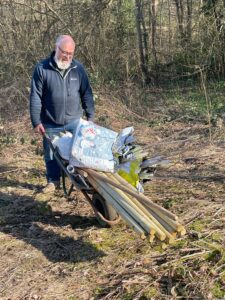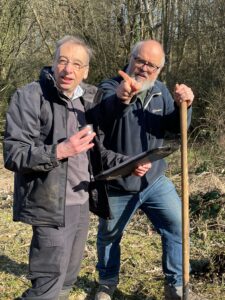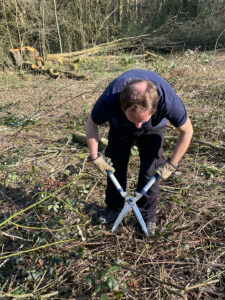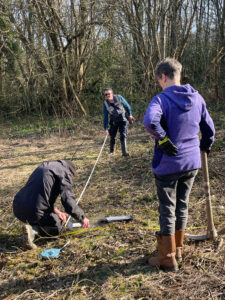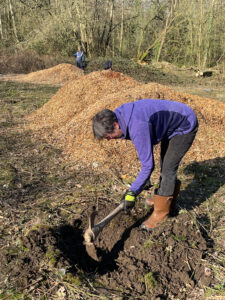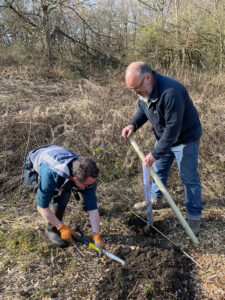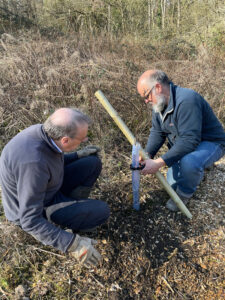

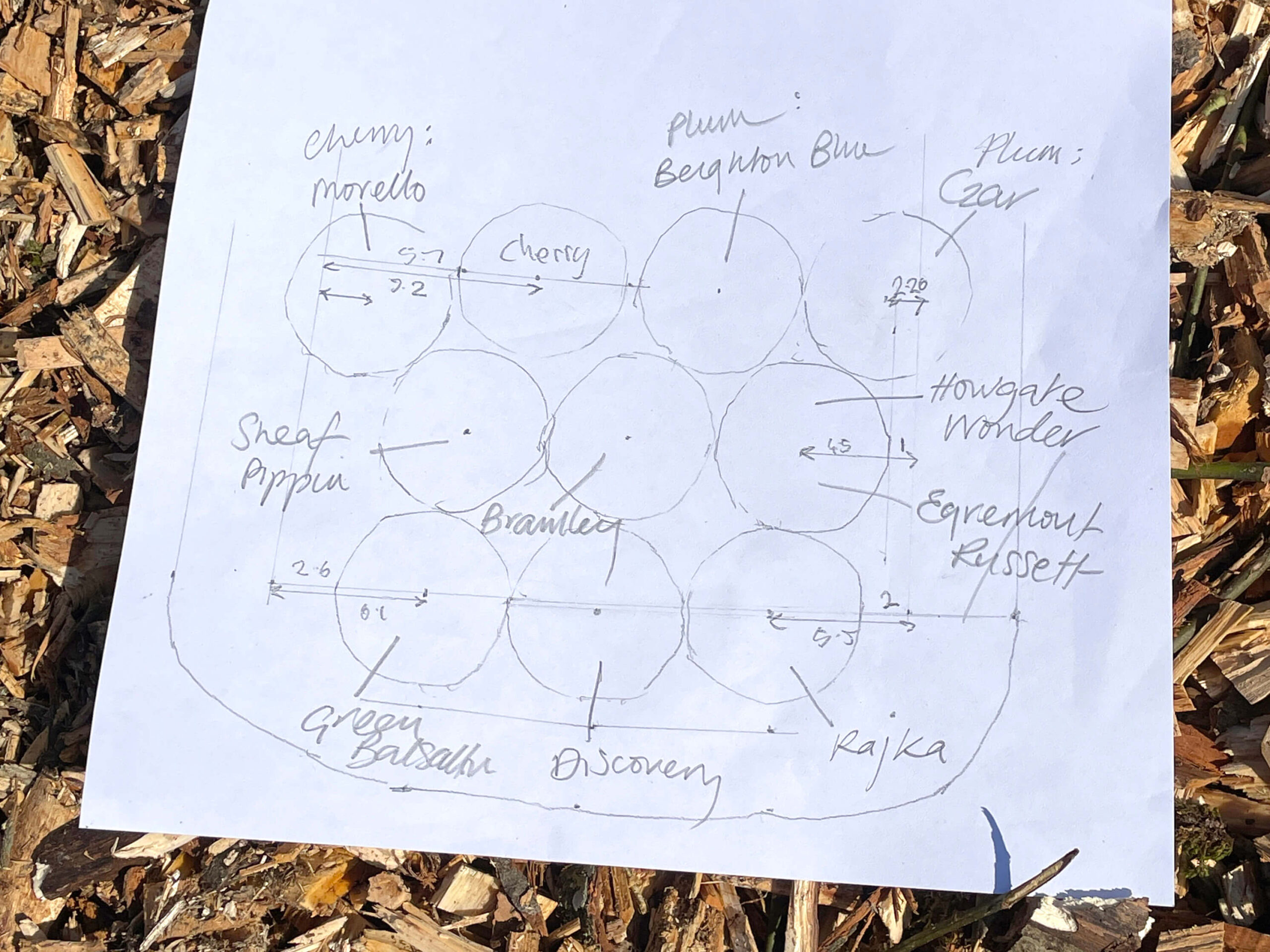
Nine fruit trees have just been planted at Coneygree Orchard in the Gleadless Valley, Sheffield. Six apple varieties, two plums and one cherry. Regather is working with the Gleadless Valley Wildlife Trust (GVWT) to develop a new community orchard. The new orchard complements the historic Lees Hall Farm orchard, which is located 100m away along the old Cat Lane track. This heritage orchard has been restored by the GVWT, made up of a dedicated team of volunteers. Community events such as Apple Days, where people are invited to come and harvest fruit, have been held at the old orchard. In future years Apple Days, and other celebratory events, will be held at Coneygree Orchard.
This is the second field to be planted with fruit trees. The first field was planted at the beginning of 2024. A further two fields will be planted over the next two years, both of which are larger plots that can accommodate greater numbers of trees. Creating new, publicly accessible orchards is a more visible part of the collaboration between GVWT and Regather. Yet behind the scenes, we’ve been managing the land to improve biodiversity. By reducing bramble and bracken, meadows have been given the right conditions to flourish. Coppicing selected trees has made room for the new orchard areas but it has also allowed more light to reach into the woodland glades. More light allows seed that has lain dormant in the soil to germinate, increasing the number and variety of woodland plants.
Coppicing is a heritage skill that is important to pass on to future generations. For centuries woodlands were managed in this way to provide a consistent supply of straight wooden poles, which were made into everything from pit props (supporting mine tunnels) to broom handles. Poles were also used for charcoal making, which helped fuel the furnaces of Sheffield’s Industrial Revolution. The disturbance caused by coppicing mirrors the activities that large grazing animals once did, as they roamed through the landscape. Once these animals, like the Auroch – the wild ancestor of domesticated cattle, had been hunted to extinction, it was human management of woodlands that allowed rejuvenation to occur. This is why coppicing is used for conservation management today.
Adding fruit trees into this landscape is not only good for people, it also adds species diversity that will provide sources of nectar and pollen for insects, fruits for birds and small mammals. It will also provide another reason for people to visit and value the Gleadless Valley woodlands.