
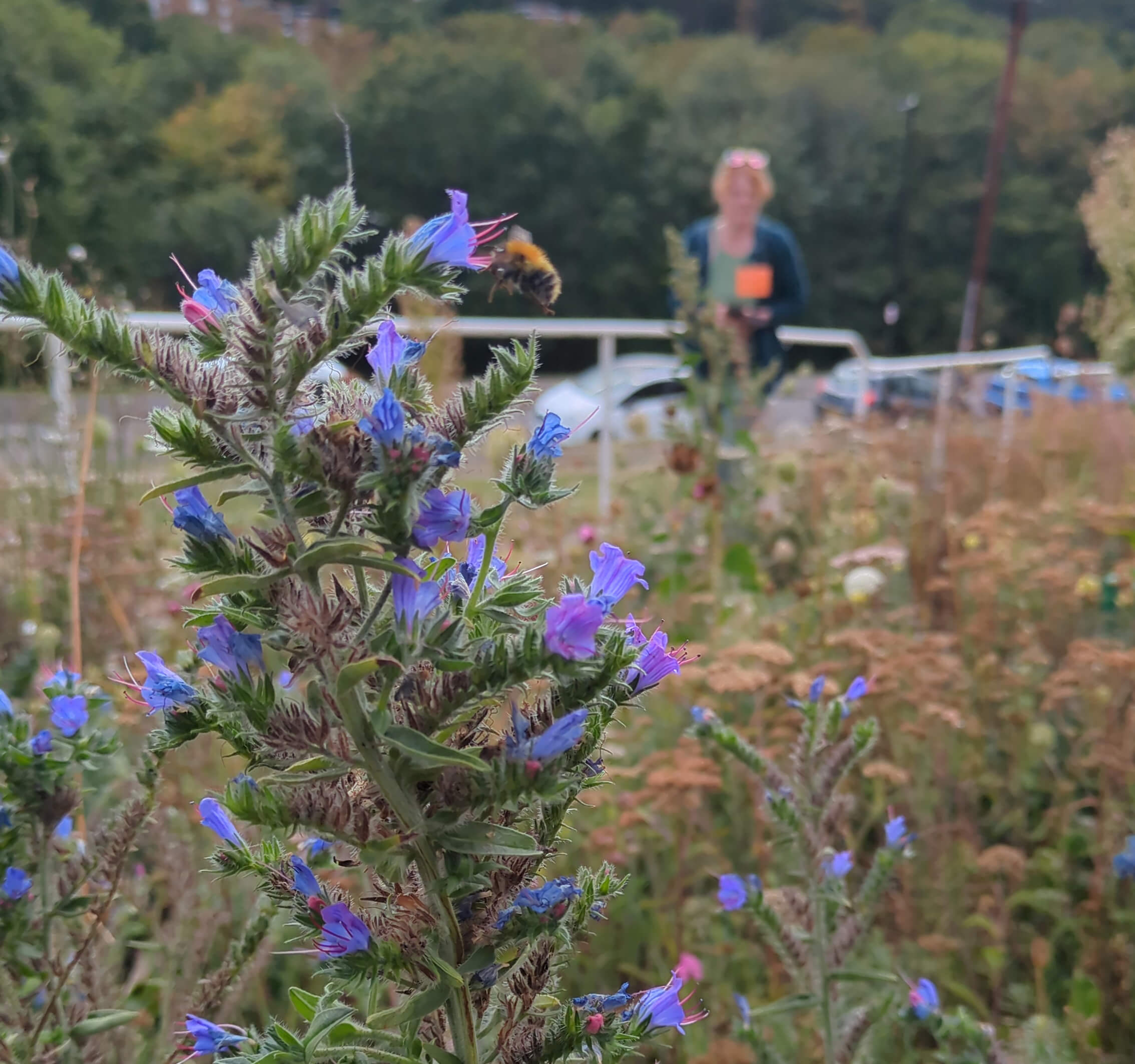
The Spotswood Meadow Open Day took place in the Gleadless Valley (GV) on 22nd August 2026. This community event was organised by Sheffield City Council’s GV Regeneration Team, GV Tenants and Residents Association and the adjacent Holy Cross Church to celebrate the opening of Spotswood Meadow, the newly created greenspace in GV.
Spotswood Meadow is a multifunctional community space with naturalistic play elements, using landform changes to promote movement and imaginative play. The focus is on placemaking with public art and using materials linked to the surrounding environment: plants that grow locally and gritstone from the nearby Peak District. It is an ecologically rich corridor bridging the gap between the ancient woodlands of Lees Hall and Rollestone Woods in the South to Buck Wood in the North.
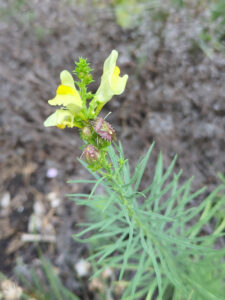
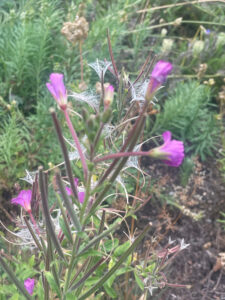
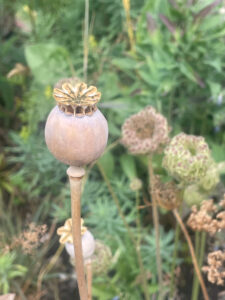
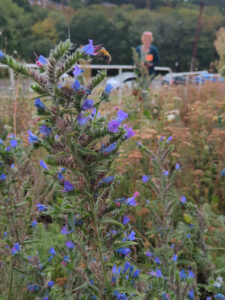
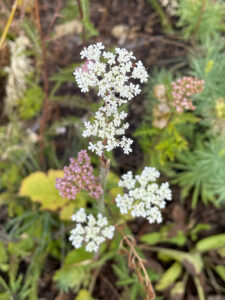
The planting itself takes two forms. Between the housing, Pictorial Meadows, rich in colourful herbaceous plants with minimal grass species, were chosen to create instant impact. The meadow mix is mainly comprised of UK natives but also includes some drought tolerant plants from continental Europe and further afield.
On the main site, 55 trees have been planted, mainly birch but with some oak, field maple and ornamental pear. Here, meadows will be developed over time from the native seed bank, a feature of the rich landscape history of the area and thus rooted in place.

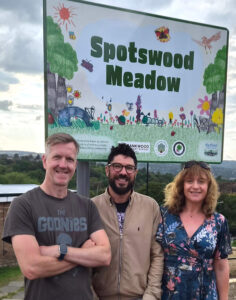
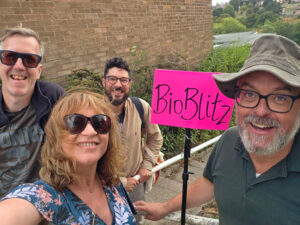
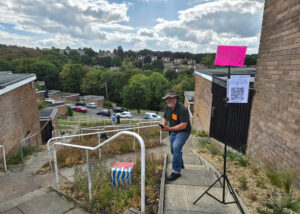
Ahead of running a public Bioblitz for the InNature project next year, a small team assembled to test out the Obsidentify app . The team: Nell Dixon, Sheffield Parks & Countryside Ranger; William Fairhead, Gleadless Valley Wildlife Trust: Fran Halsall, Regather & Gareth Roberts, Regather.
Each of us was equipped with a smartphone, with the app downloaded to it. We spent three hours on site recording as many species as possible. The number of individual plants and trees logged far outweighs the number of animals. Flying insects are particularly hard to photograph and we saw far more than we could upload into the app.
Obsidentify is not only a useful tool for identifying plant, fungi and animal species. It also allowed us to create a specific Spotswood Meadow Bioblitz event within a defined location and timeframe via which we could separately log our findings and collate them in one place. The other InNature BioBlitzes from our European project partners can be viewed here.
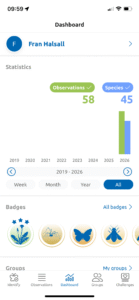
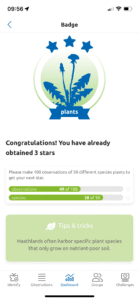
The app turns finding and identifying different species into a game, encouraging more participation by awarding stars when the threshold for a certain category is reached. For example, 3 stars were awarded for successfully recording 49 out of a target of 100 individual plant observations and 38 out of a required 50 species.
This feature incentivises people to actively observe nature by introducing an element of competition. Who can find the most species? Who can record the most observations? This added element of fun makes the app ideal for use by family and/or friend groups who are focused on ‘winning’, yet all the while contributing to citizen science. It will hopefully prove to be a useful tool for engaging Gleadless Valley residents in next year’s BioBlitz.
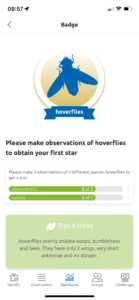
Bioblitzes are primarily about gaining knowledge and encouraging participation in citizen science. They are not a comprehensive survey of local species. Instead their value lies in helping people understand the nature around them. It was in this spirit that the team went about recording observations. In all likelihood some of the same plants were photographed and logged more than once but the numbers below give some idea of how prevalent a species is.
‘BioBlitz’s are a good way to get more people involved in learning more about and recording wild plants and animals. The Obsidentify identification app that can be downloaded to a smart phone lets non-experts identify the plants and animals.’ – William Fairhead
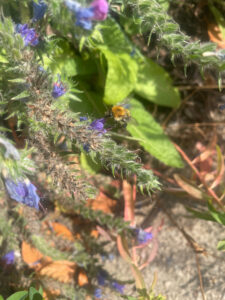
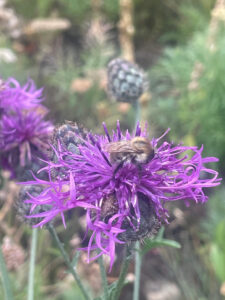
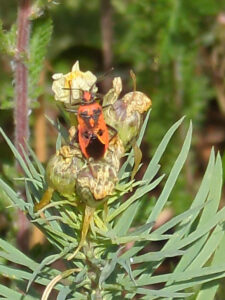
First we surveyed the two Pictorial Meadows sited on the sloping ground between the houses on Spotswood Place. These areas had previously been a closely mown amenity grassland. The richly varied meadow mix has already proven to be a huge boost to biodiversity. On the day, which was hot and still, this is where we recorded the majority of flying insect and bug species. Here, young meadow plants have been installed on biodegradable matting, which not only speeds up the installation process but also appears to help prevent the soil, and plants, from drying out.
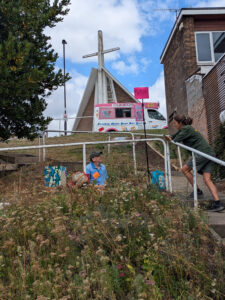
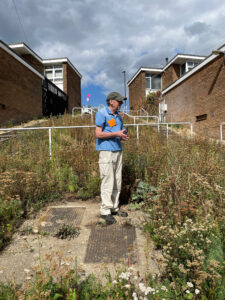
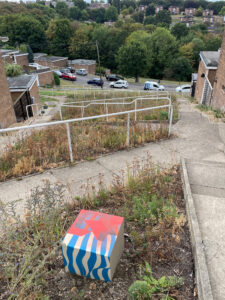
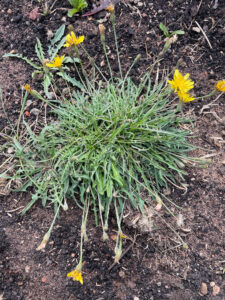
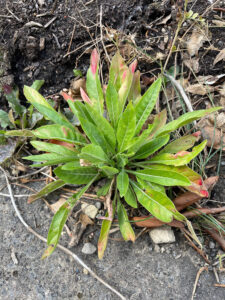
Then we surveyed the amenity grassland below the recently landscaped area. As expected, the number of plant and animal species here was considerably lower. We did, however, find a greater range of plants than might have been expected for amenity grassland. It being likely that this grassland has never been ‘improved’ with fertilisers.
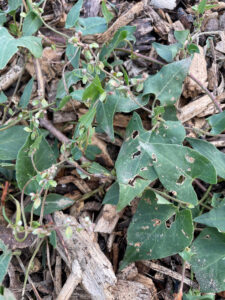
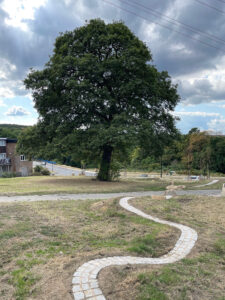
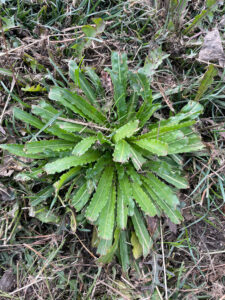
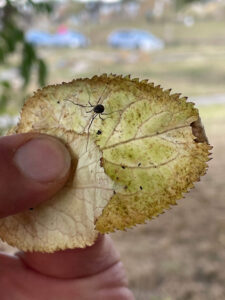
We also looked at a few of the recently planted trees – field maple and silver birch – where no obvious signs of animal life were yet present. Then we thoroughly examined a large mature oak, a relic of the farmed landscape. This was where we found the harvestmen and spider species.
Between the four of us we logged 88 individual species (numbers refer to each sighting of the same species):